Football Season Recovery: How HBOT May Support Athletes, Brain Health, and Faster Healing
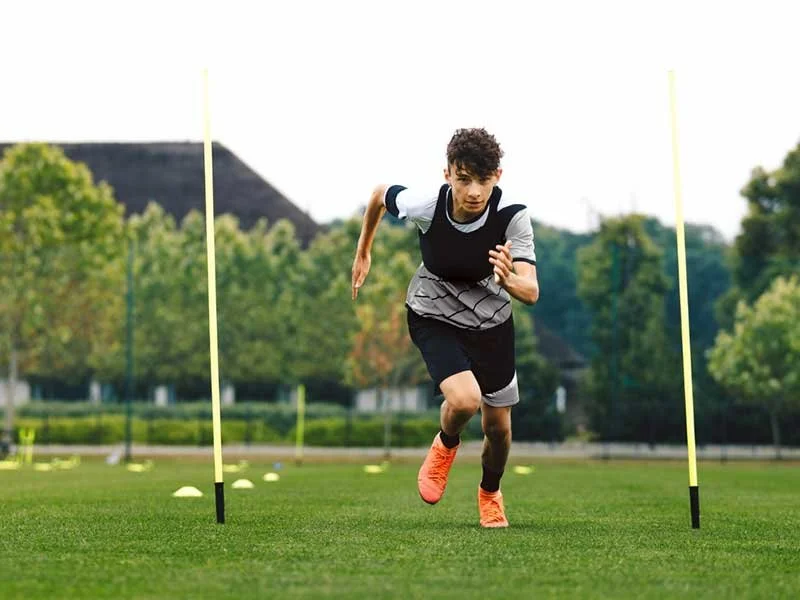
Football season is exciting, but it is also demanding.
By September, practices are longer, games are underway, schedules are full, and athletes are putting their bodies through repeated stress week after week. Between sprinting, lifting, contact, heat, travel, and school or work responsibilities, recovery can quickly become the missing piece.
For football players, recovery is not just about feeling less sore. It is part of performance, safety, and long-term health.
When the body does not have enough time or support to recover, athletes may notice more fatigue, lingering soreness, slower reaction time, lower energy, and an increased risk of setbacks. For student athletes, the demand can feel even greater because they are trying to perform on the field while also keeping up with school, sleep, nutrition, and everyday life.
At ATX Hyperbarics, we help athletes and active individuals support recovery from the inside out with medically guided Hyperbaric Oxygen Therapy, or HBOT. By increasing oxygen availability under controlled pressure, HBOT may help support cellular energy, circulation, tissue repair, inflammation regulation, and brain health during physically demanding seasons.
Why Football Season Is So Physically Demanding
Football places unique stress on the body.
It combines strength, speed, endurance, impact, and quick decision-making. Athletes are not only running and training, they are absorbing contact, changing direction, recovering from tackles, and repeating explosive movements over and over again.
That kind of demand can affect muscles, joints, connective tissue, and the nervous system.
Even when an athlete is well-conditioned, the season can take a toll. Soreness can build. Minor aches can linger. Sleep may become less consistent. Hydration can be harder to maintain, especially in late-summer heat. Mental fatigue can also show up when athletes are balancing practices, games, school, work, and pressure to perform.
Common signs that recovery is falling behind include:
Lingering muscle soreness
Feeling heavy or slow during practice
Low energy between games
More stiffness or joint discomfort
Trouble focusing
Poor sleep quality
Slower bounce-back after contact or injury
Feeling physically or mentally drained
The answer is not always to train harder. Sometimes the smarter move is to recover better.
Recovery Is Part of Performance
Many athletes think performance is built only in the weight room, on the field, or during practice.
Training matters, but recovery is where adaptation happens.
After intense activity, the body needs time and resources to repair tissue, calm inflammation, restore energy, and prepare for the next effort. Muscles need oxygen and nutrients. The nervous system needs rest. Injured or stressed tissue needs support to rebuild.
When athletes neglect recovery, they may be able to push through for a while, but eventually performance can suffer. The body becomes less efficient, soreness lasts longer, and the risk of injury may increase.
A strong recovery plan should include:
Hydration and electrolytes
Balanced nutrition
Mobility and stretching
Rest days or lower-intensity days
Medical evaluation when symptoms or injuries appear
Supportive therapies when appropriate
HBOT can be a valuable addition to that recovery plan for athletes who want to support their body’s natural repair processes during a demanding season.
Oxygen and Athletic Recovery
Oxygen is essential for athletic performance and recovery.
Every cell in the body needs oxygen to function. Your mitochondria use oxygen to produce ATP, the energy your cells rely on for movement, repair, and normal function. When tissue is stressed, inflamed, swollen, or recovering from injury, oxygen delivery becomes even more important.
During Hyperbaric Oxygen Therapy, athletes breathe oxygen inside a pressurized medical-grade chamber. Under pressure, oxygen can dissolve into the plasma, the liquid part of the blood. This helps increase oxygen availability throughout the body, including areas where circulation may be limited by swelling or inflammation.
For athletes, this may support:
Cellular energy production
Muscle recovery
Tissue repair
Circulation
Inflammation regulation
Recovery after injury or surgery
Overall resilience during high-demand seasons
HBOT is not a shortcut around smart training, sleep, nutrition, or medical care. It is a supportive tool that may help create a better internal environment for recovery.
HBOT for Soreness, Fatigue, and Muscle Recovery
Football athletes are used to soreness, but constant soreness should not be ignored.
When the body is repeatedly stressed without enough recovery, muscles may feel tight, heavy, or slow to respond. Athletes may find that they need more time to warm up, feel less explosive, or struggle to bounce back between practices and games.
HBOT may help support recovery by increasing oxygen availability and supporting the body’s natural repair process. More oxygen support can help stressed tissues receive the resources they need while the body works to recover from training, impact, and inflammation.
This can be especially helpful during the season, when athletes do not always have the luxury of long recovery windows.
The goal is not to replace rest. The goal is to help the body recover more efficiently between demands.
Injury Recovery and Tissue Repair
Injuries are part of sports, but how an athlete recovers matters.
Sprains, strains, bruising, soft tissue irritation, and post-surgical recovery all place a demand on the body. Tissue repair requires oxygen, circulation, nutrients, and time. When swelling or inflammation is present, oxygen delivery to the affected area can be more limited.
HBOT may support the healing environment by increasing oxygen availability under controlled pressure. This can help support circulation, tissue oxygenation, and repair processes as part of a broader recovery plan.
For athletes dealing with injuries, HBOT should be used alongside appropriate medical evaluation, physical therapy, athletic training guidance, and return-to-play recommendations.
At ATX Hyperbarics, protocols are medically guided and individualized based on each person’s health history, goals, and recovery needs.
Football, Concussions, and Brain Support
Concussion awareness is especially important during football season.
A concussion is a brain injury, and symptoms can affect sports, school, work, mood, sleep, and daily life. Headaches, brain fog, light sensitivity, dizziness, fatigue, trouble focusing, nausea, irritability, and feeling “off” should never be ignored.
If a concussion is suspected, it is important to seek appropriate medical evaluation and follow return-to-play guidance from a qualified provider.
HBOT can be a valuable supportive tool in concussion recovery plans. Because HBOT increases oxygen availability under controlled pressure, it may help support brain tissue, circulation, inflammation regulation, and the body’s natural repair processes.
Brain health should always be taken seriously. At ATX Hyperbarics, protocols are medically guided and individualized, which is especially important when brain recovery is involved.
Student Athletes Need Support Beyond the Field
For student athletes, football season is not just physically demanding. It is mentally and emotionally demanding too.
They are balancing school, practices, games, homework, social pressure, family schedules, and often late nights or early mornings. Their bodies are still developing, and their brains need adequate sleep, nutrition, hydration, and recovery to perform well in both academics and sports.
When recovery falls behind, it may show up as more than soreness.
A student athlete may feel foggy in class, irritable at home, slower during practice, or more fatigued than usual. They may push through because they do not want to lose playing time or disappoint their team, but those signals matter.
Parents, coaches, and athletes should pay attention to signs that the body or brain needs more support.
HBOT may be worth exploring as part of a proactive recovery plan for student athletes, especially during busy seasons when the body is under repeated demand.
A Football Season Recovery Checklist
Before adding anything new, start with the fundamentals.
Prioritize Sleep
Sleep is one of the most important recovery tools an athlete has. It supports focus, reaction time, mood, tissue repair, and overall performance.
Hydrate Consistently
Late-summer and early-fall practices can still be hot, especially in Texas. Hydration and electrolytes are essential for energy, circulation, and recovery.
Eat Enough to Recover
Athletes need fuel. Protein, carbohydrates, healthy fats, and micronutrients all play a role in training, repair, and performance.
Do Not Ignore Symptoms
Headaches, dizziness, unusual fatigue, lingering pain, or feeling “off” should be taken seriously. Pushing through every symptom is not toughness. Sometimes it is a warning sign.
Build Recovery Into the Schedule
Recovery should be planned, not accidental. Mobility work, rest, treatment, and lower-intensity days all matter.
Consider a Medically Guided HBOT Plan
For athletes looking to support recovery, energy, tissue repair, or brain health, HBOT may be a valuable tool to discuss with a qualified provider.
Who May Benefit From Football Season HBOT Support?
A football season recovery protocol may be a good fit for:
Football players managing soreness and fatigue
Student athletes balancing school and sports
Athletes recovering from impact, injury, or surgery
Players looking to support muscle recovery between games
Parents seeking proactive recovery support for their athlete
Coaches or trainers interested in performance recovery tools
Active adults who want to recover like an athlete
HBOT is not only for when something goes wrong. It may also be used proactively to support resilience, recovery, and performance during high-demand seasons.
Support the Body Before Recovery Falls Behind
Football season asks a lot from the body and brain.
Athletes are expected to train hard, perform under pressure, absorb impact, recover quickly, and show up again the next week ready to compete. That takes more than grit. It takes recovery.
If soreness is lingering, energy is low, focus feels off, or an injury has slowed momentum, it may be time to look at recovery more intentionally.
At ATX Hyperbarics, we offer medically guided HBOT protocols designed to support oxygen delivery, tissue repair, cellular energy, and brain health. Whether you are a student athlete, parent, coach, or active adult, our team can help you explore whether HBOT is right for your recovery goals.
Train hard. Recover smarter. Support your season from the inside out.
Reach out today to get started.