Want a Smoother Plastic Surgery Recovery? This Might Be Your Missing Step
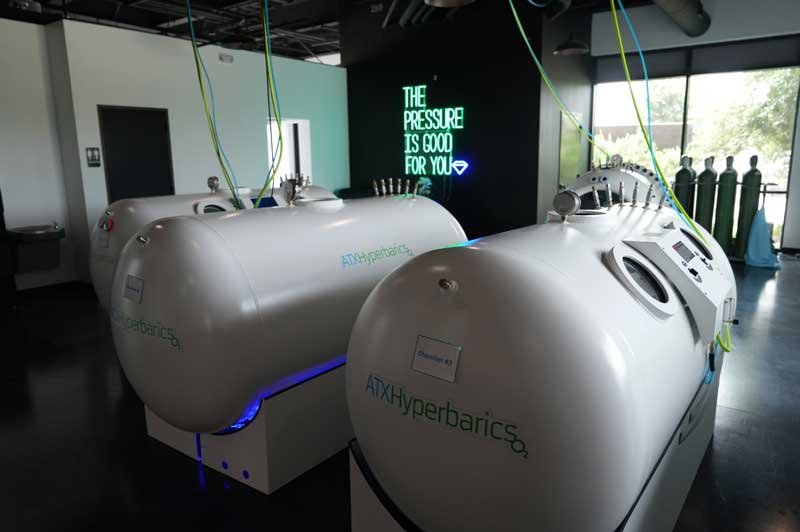
Most people plan their plastic surgery procedure down to the smallest detail, then feel unprepared for how recovery actually feels. Swelling, bruising, and soreness can be frustrating, and it’s normal to want to do everything you can to support clean healing. Hyperbaric Oxygen Therapy (HBOT) is one recovery tool more patients are asking about, especially because it can help reduce post operative swelling early, so healing can begin sooner.
The First Win After Surgery: Less Swelling, Earlier Healing
Right after surgery, swelling is not just uncomfortable, it can slow the recovery process. Fluid buildup can compress tiny blood vessels and reduce microcirculation at the surgical site, which means oxygen and nutrients have a harder time reaching tissue that needs to repair.
HBOT can help in a unique way. Under controlled pressure, oxygen exposure causes mild vasoconstriction (a gentle tightening of small blood vessels). That may sound counterintuitive, but it can reduce fluid leakage and edema, lowering swelling while still improving oxygen delivery to healing tissue. In practical terms, that combination can help create earlier, improved perfusion of the surgical site and better conditions for the body to start repairing right away.
What HBOT Is, In Plain Terms
Hyperbaric oxygen therapy involves breathing 100% oxygen while inside a pressurized chamber. That combination, oxygen plus pressure, increases oxygen availability in the body and supports processes involved in recovery, including tissue repair and inflammation modulation. This is the same medical modality recognized for specific wound and tissue compromise scenarios in formal hyperbaric medicine guidance.
Why Oxygen Matters After Plastic Surgery
Healing tissue is metabolically expensive. Your body is rebuilding, clearing damaged cells, and laying down new collagen, all of which relies on oxygen delivery and circulation. When swelling is significant, or tissue is already under stress (smoking history, previous radiation, diabetes, vascular issues, revision surgery, long operative times), oxygen delivery can become one of the limiting factors.
HBOT is often discussed in plastic and reconstructive settings because it can support oxygenation in stressed tissue and can be useful when perfusion is compromised. The Undersea and Hyperbaric Medical Society (UHMS) specifically notes HBOT is not recommended for normal, uncompromised grafts or flaps, but it can be extremely useful for compromised tissue and flap salvage situations.
What the Evidence Says in Aesthetic and Plastic Surgery
The research base is mixed, and it matters how you read it.
In plastic, reconstructive, and aesthetic surgery, systematic reviews have evaluated HBOT across indications and outcomes, and overall they suggest potential benefits while also pointing out limits in study quality and consistency across protocols.
Cosmetic and facial plastic surgery discussions often highlight potential improvements in wound healing and tissue oxygenation, alongside the need for careful patient selection and realistic expectations.
A facelift focused study assessed postoperative healing and complications with adjunct HBOT, adding to the growing body of aesthetic literature, though much of the data in this area is not yet large, multi-center randomized evidence.
A more recent systematic review focusing on facial plastic and reconstructive surgery found limited evidence and emphasized the need for better studies, which is a helpful reminder not to oversell HBOT as guaranteed.
The honest takeaway: HBOT is well established for certain medical indications and tissue compromise scenarios, and it is increasingly used as an adjunct in aesthetic recovery, but outcomes vary and the research in purely cosmetic recovery is still evolving.
Where HBOT Tends to Make the Most Sense
HBOT is most commonly considered in plastic surgery recovery when one of these is true:
There is higher risk of delayed healing (history of poor wound healing, smoking history, diabetes, vascular concerns).
The procedure is complex, long, or involves revision work.
There are grafts, flaps, or tissue viability concerns, especially if compromise is suspected.
Bruising and swelling are expected to be significant, and the patient wants supportive recovery modalities under medical supervision.
Pre-Op vs Post-Op Timing
HBOT is not one size fits all, but there are practical patterns many clinics use.
Pre-op (when appropriate): Some protocols include a small number of sessions before surgery to support overall readiness and healing capacity. This is most relevant when the surgeon anticipates higher risk, or when the patient is working on an optimized recovery plan.
Immediate post-op: The early recovery window is when swelling, tissue stress, and oxygen demand are highest. Many patients ask about starting the day of surgery or the day after, depending on surgeon clearance, patient stability, and logistics.
Consistency matters: HBOT is typically approached as a series, not a one off. The goal is a cumulative effect over a defined recovery window, then reassessing based on response and surgical follow ups.
What HBOT Can Help Support, and What It Cannot
HBOT may support:
Post operative swelling and inflammation management (so healing can start earlier)
Tissue oxygenation during healing
Wound healing support in select contexts
Tissue viability when compromise is a concern
HBOT cannot:
Replace your surgeon’s technique or post op instructions
Guarantee scar outcomes or “perfect” healing
Override preventable risks (smoking, noncompliance, infection exposure)
Serve as a substitute for appropriate medical follow up
Safety, Screening, and Medical Oversight
HBOT is a medical therapy. Reputable clinics screen for safety factors and coordinate with your care team when needed. It is also worth knowing that major hyperbaric guidance focuses on defined medical indications, and insurance coverage commonly follows those standards, which is why cosmetic recovery is often self pay even when medically supervised.
A Practical Way to Discuss HBOT With Your Surgeon
If you are considering HBOT around a procedure, bring specific questions:
Are there any tissue viability concerns, grafts, or flap risks in my case?
When would you be comfortable with me starting HBOT after surgery?
Are there any restrictions based on anesthesia, drains, sutures, or medications?
What would “success” look like in my recovery, and how will we measure it?
Final Thoughts
Plastic surgery recovery is not only about getting through the discomfort, it’s about creating the best conditions for healing early. Because post operative swelling can slow oxygen delivery, reducing edema while improving tissue oxygenation is one of the most compelling reasons patients consider HBOT. For the right patient at the right time, HBOT can be a valuable adjunct that supports cleaner recovery, especially when healing risk is higher or tissue support is a priority.